

Parker Solar Probe
3rd July, 2026.
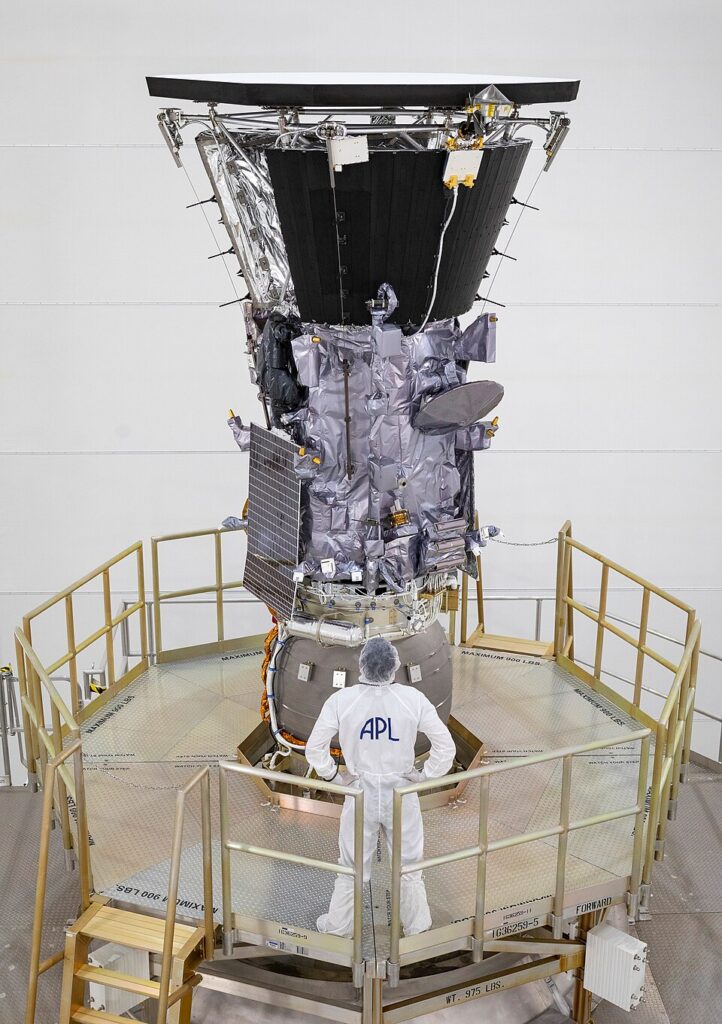
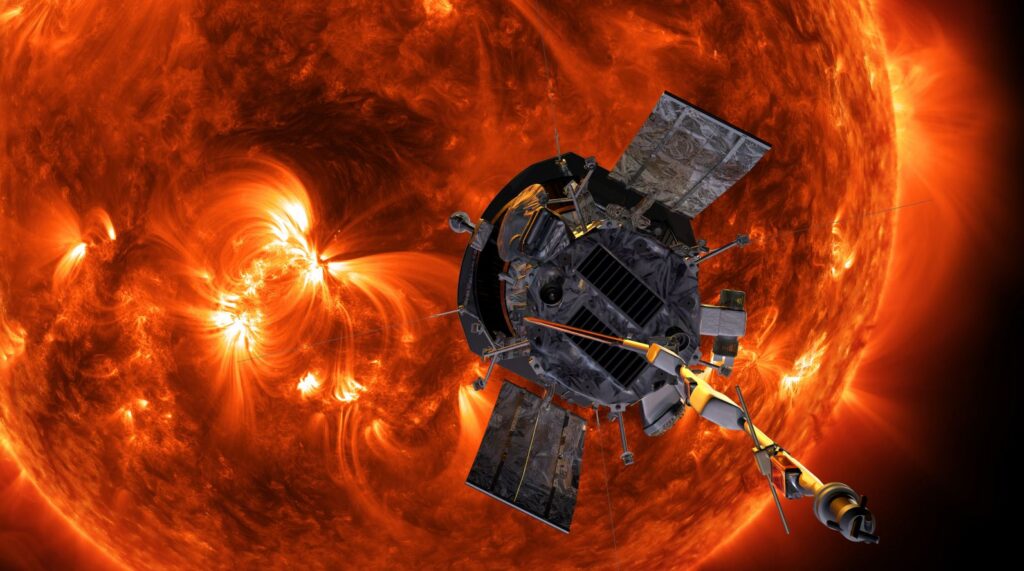
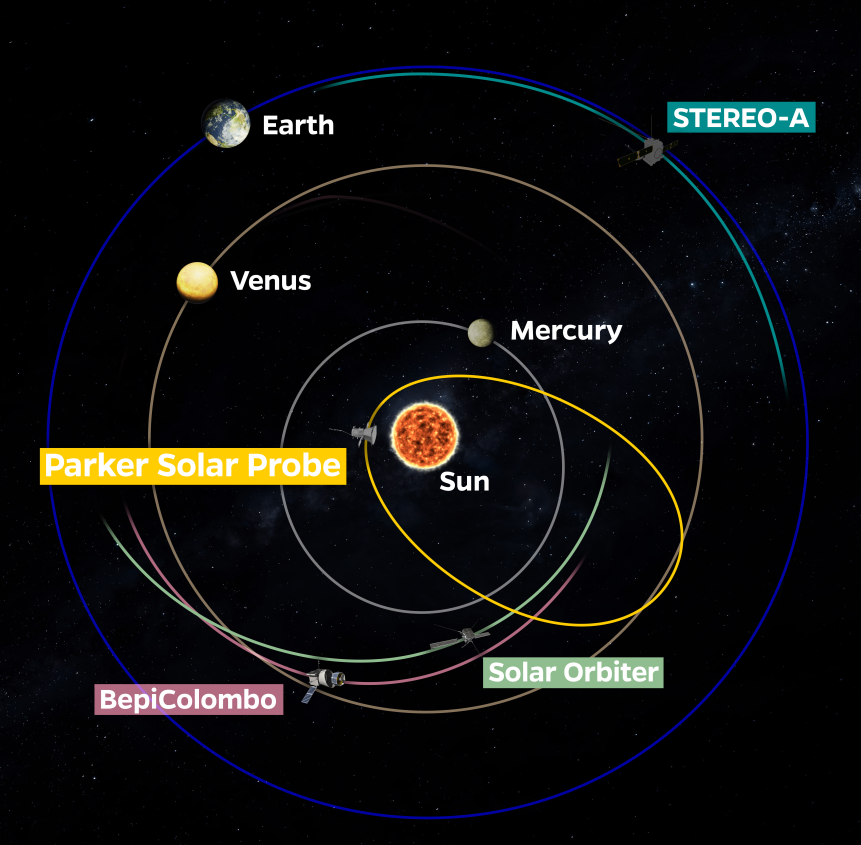
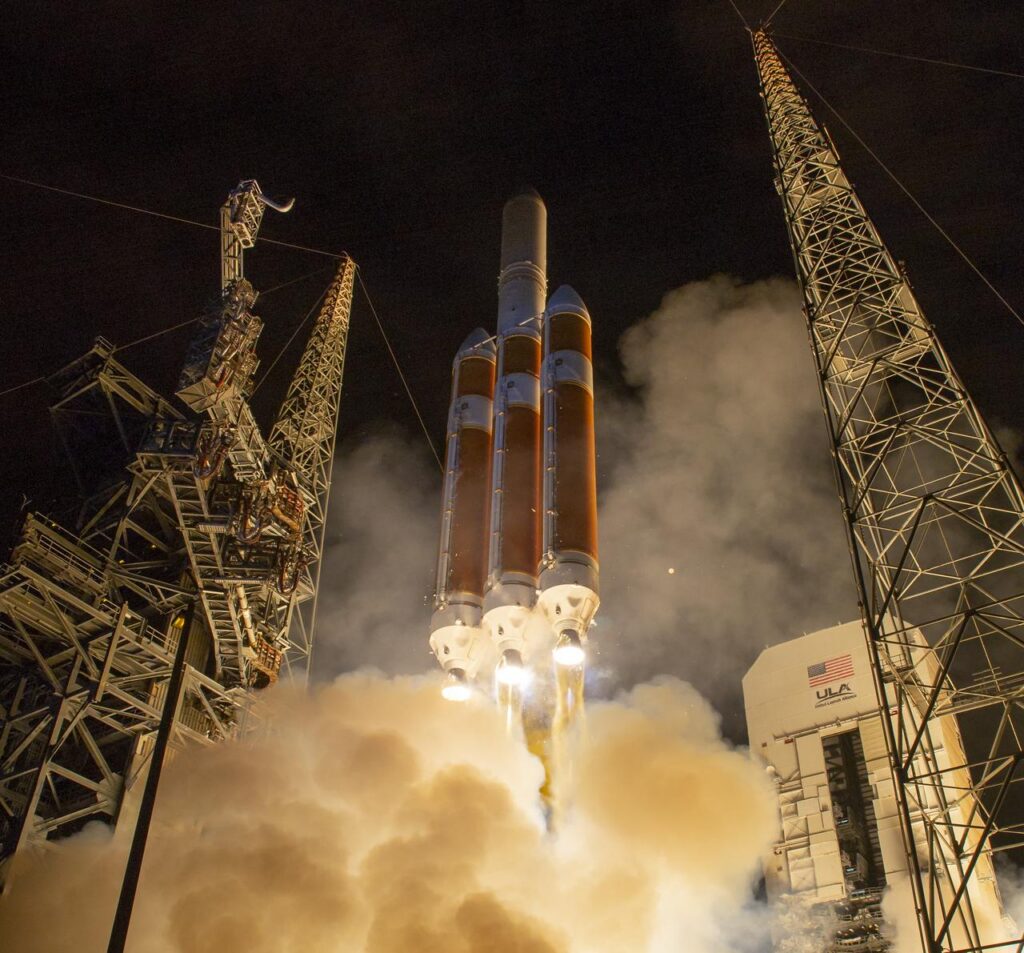
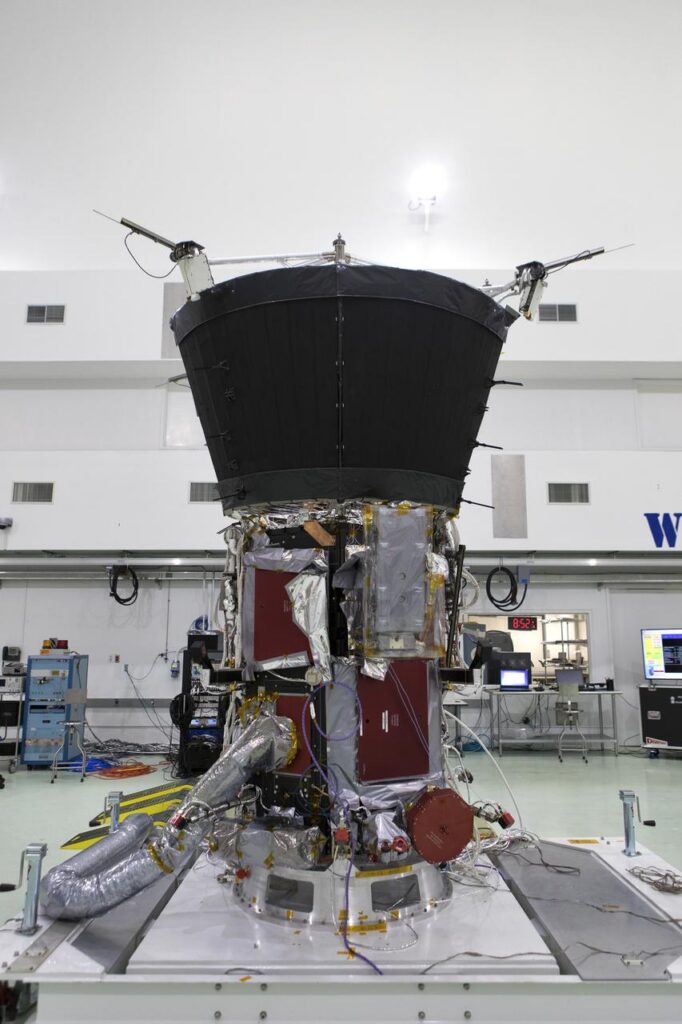
The Parker Solar Probe is a NASA space probe, which was launched in 2018, to make observations of the Sun’s outer corona. After it’s launch, it used repeated gravity assists from Venus to develop a highly eccentric (oval-shaped) orbit, approaching within 9.86 R☉ (6.9 million km) from the centre of the Sun.
During it’s closest approach in 2024, which was a distance of just 6.1 million km, from the Sun’s surface, it’s speed relative to the Sun was 690,000km/h (430,000 mph – 6142x faster than the national speed limit), which was 0.064% the speed of light (c). This made it the fastest object ever built on Earth.
The Parker Solar probe was named after a then living person, the first person to ever have been so, honoring the Physicist Eugene Newman Parker (died 2022, age 94), who was known as the founder of heliophysics (the study of the Sun.)
| Instrument Name | Description |
|---|---|
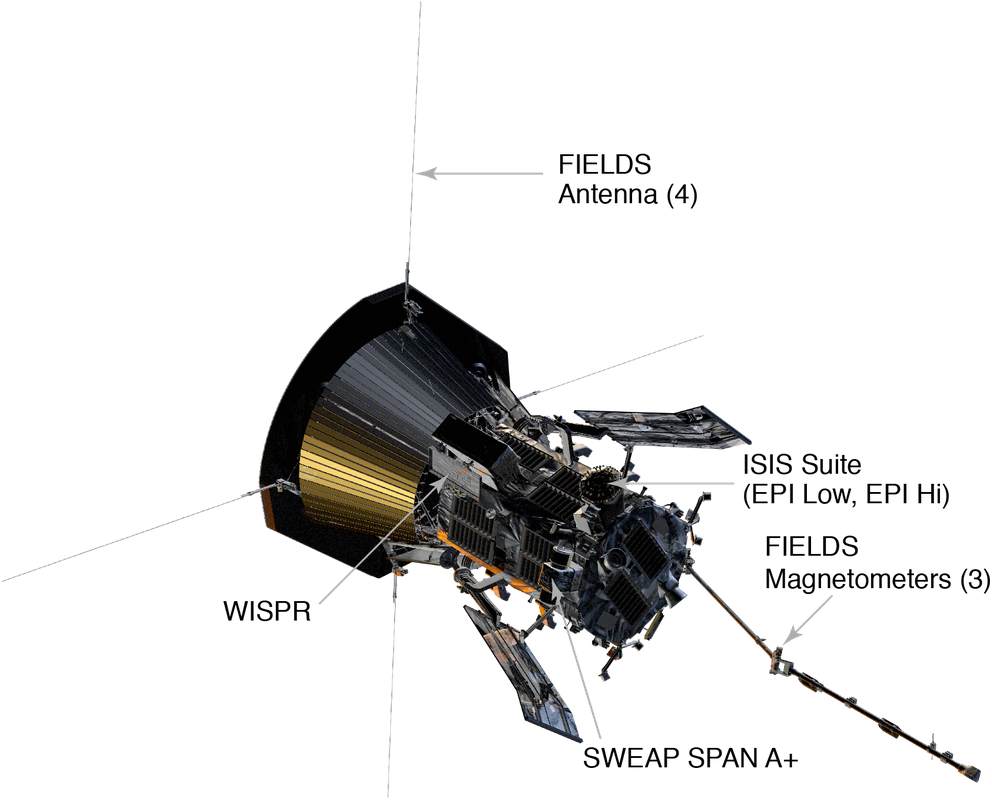
| FIELDS | The surveyor of invisible forces, the FIELDS instrument suite captures the scale and shape of electric and magnetic fields in the Sun’s atmosphere. It measures waves and turbulence in the inner heliosphere with a high-time resolution to understand the fields associated with waves, shocks, and magnetic reconnection, a process by which magnetic field lines explosively realign. It does this with five antennas, four of which stick out beyond the heat shield and into the sunlight, where they experience temperatures of 1317°C. They are made out of a niobium alloy, which can withstand extreme temperatures. |
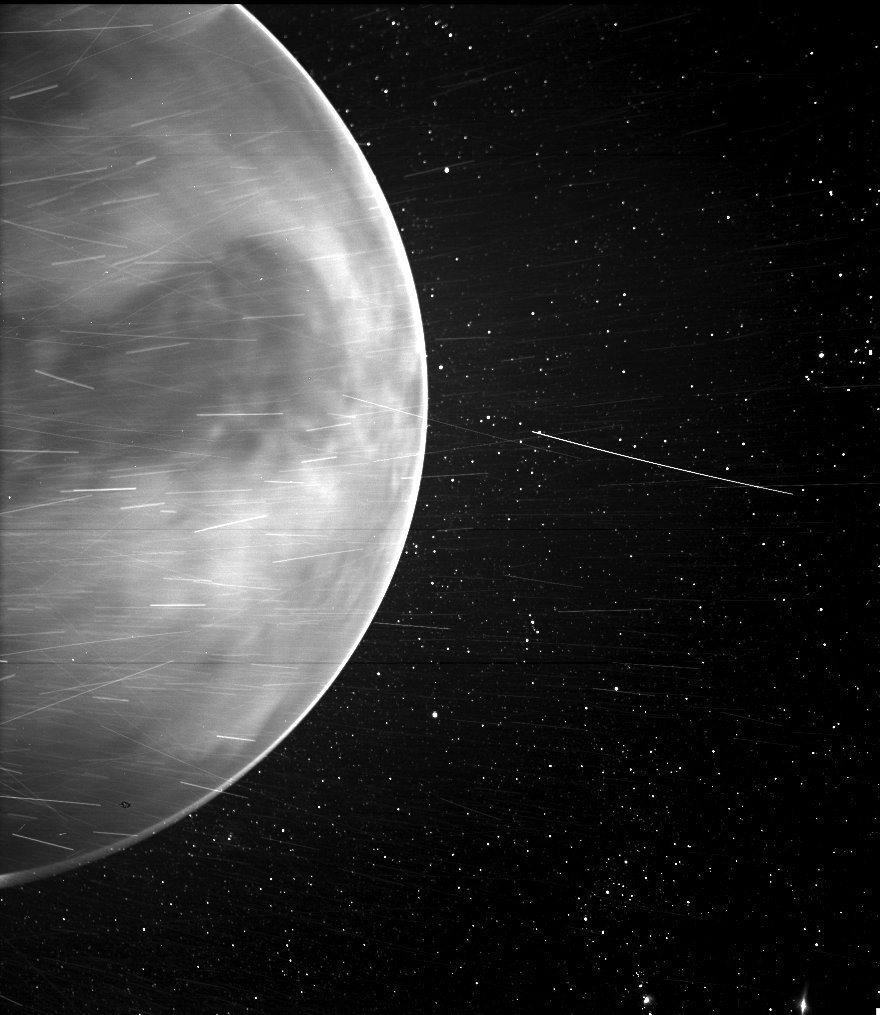
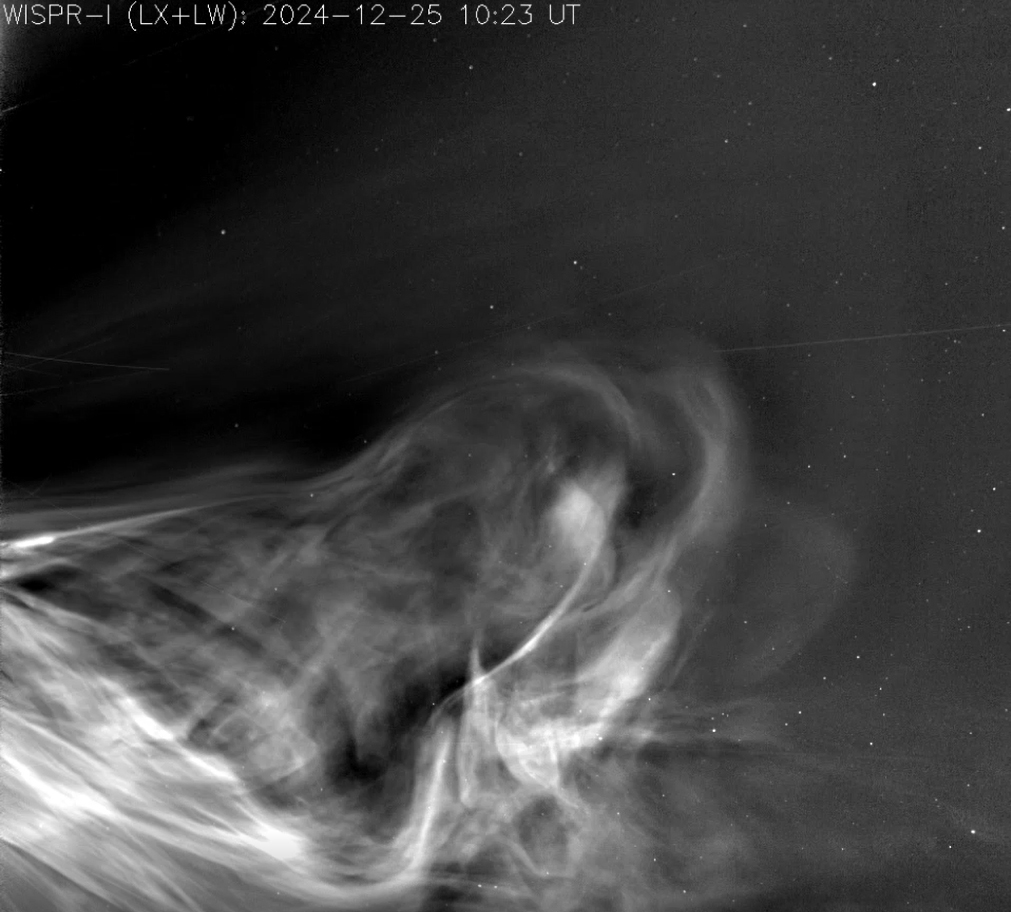
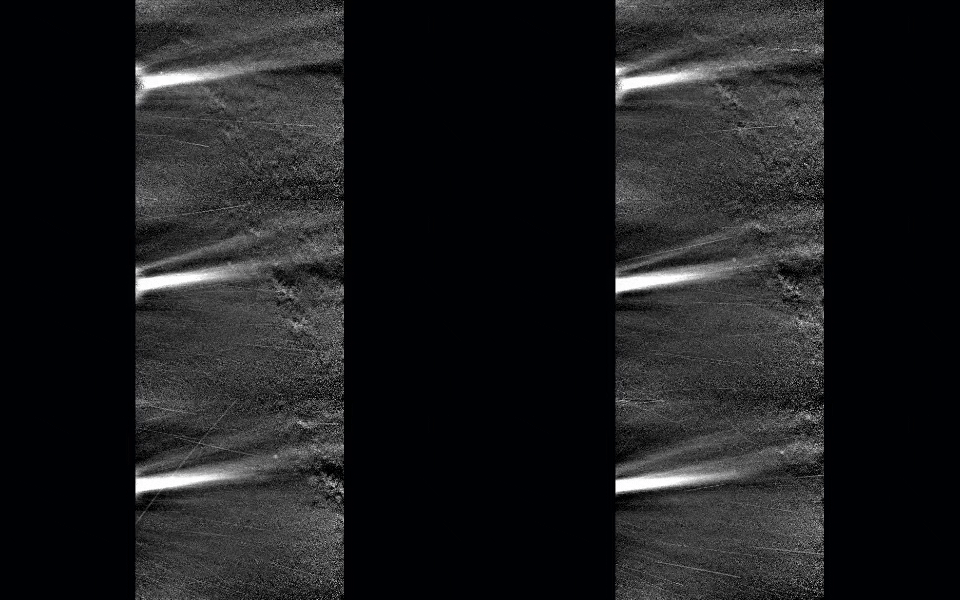
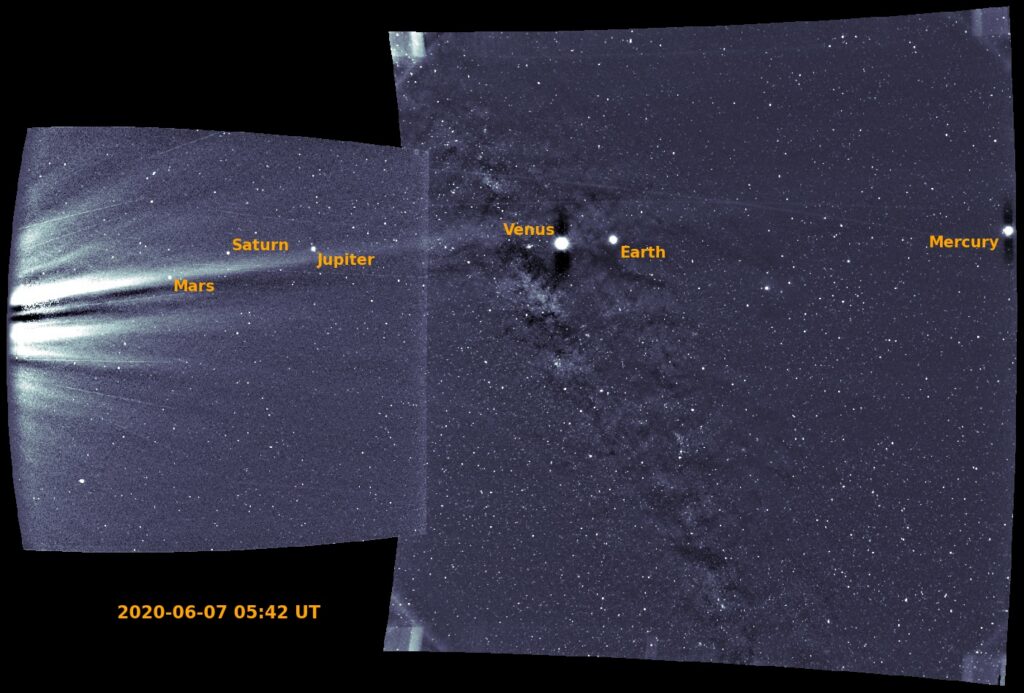
| WISPR | WISPR is the wide-field image for the Parker Solar Probe, and is the only imagine instrument on the spacecraft. It allows them to take photos of the Sun’s Coronal Mass Ejections, Jets, Corona, Solar Winds and other ejecta from the sun. It uses the heat shield to block most of the Sun’s light, which would otherwise obscure the corona. Using baffles and occulters, it reflects and absorbs the residual stray light. |
| SWEAP | The Solar Wind Electrons Alphas and Protons kit, gathers observations using two complementary instruments. The Solar Probe Cup (Or SPC), and the Solar Probe Analysers, or SPAN. The SPC is a faraday cup, a metal device that can catch charged particles in a vacuum. SPAN is two instruments which have wide fields of view to allow them to see the parts of space that the SPC does not. |
| ISʘIS (pronounced “ee-sis”) | The Integrated Science Investigation of the Sun uses two instruments in one scientific kit to measure particles, such as electrons, protons and ions, allowing them to understand the particles lifecycles. |
Leave a Reply