

A Race Against The Moon
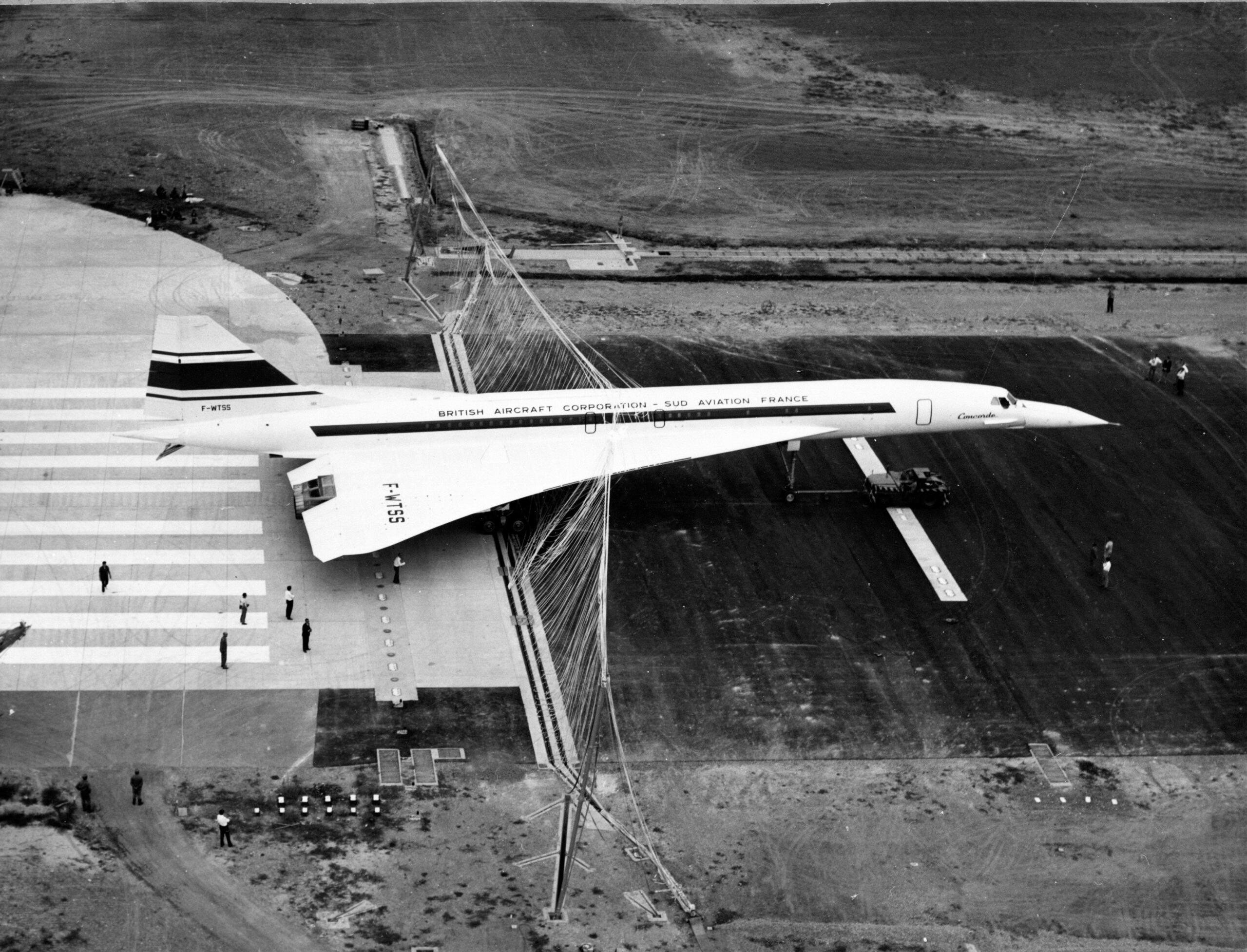
Back in the may of 1972, an astronomer, Pierre Léna, would meet with famous French Concorde test pilot André Turcat, over lunch at a restaurant at Toulouse Airport to propose his idea to view the upcoming solar eclipse, expected to happen on June 30th, 1973.
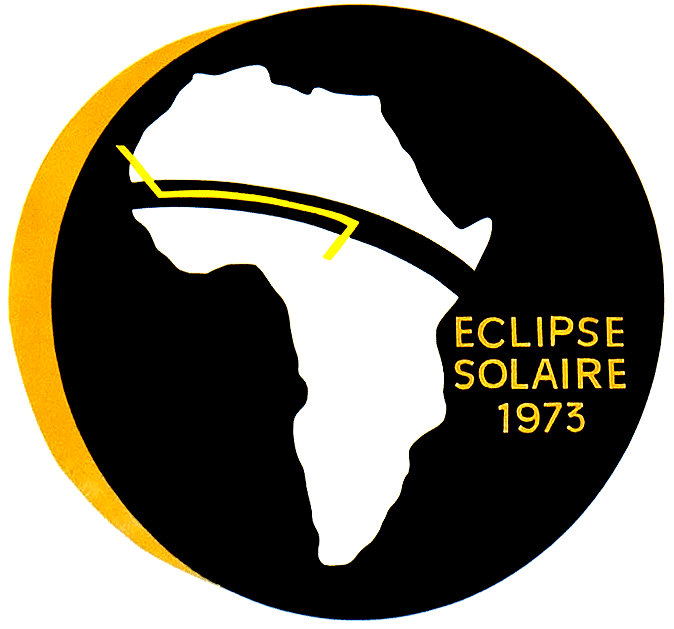
This Eclipse was notable for many reasons, as it was part of the last total Solar eclipse in it’s series that would exceed 7 minutes in duration. Another Total solar eclipse, is not expected to last this long until June 25th, 2150 (124 years away).
A graphical representative of the details of the 1973 eclipse.
They discussed the feasibility of altering the Prototype 001 Concorde, installing scientific equipment, and then flying at Mach 2 to chase the eclipse. Essentially, this would allow them to extend their time in totality from 7 minutes, to over 70, allowing an extensive amount of time in the path of the eclipse.
After coming to an agreement about the flight plan, they would then work on the process of conversion of Concorde Prototype 001. This specific version of the Concorde first made it’s original test flight in 1969 from the Toulouse airport. They would make four specially-made portholes in the roof of the aircraft’s fuselage to allow for scientific viewing of the sun. Infrared and optical cameras would be installed in them in the plane’s roof to capture the Sun’s corona, allowing for much less atmospheric interference than there would be from the ground.
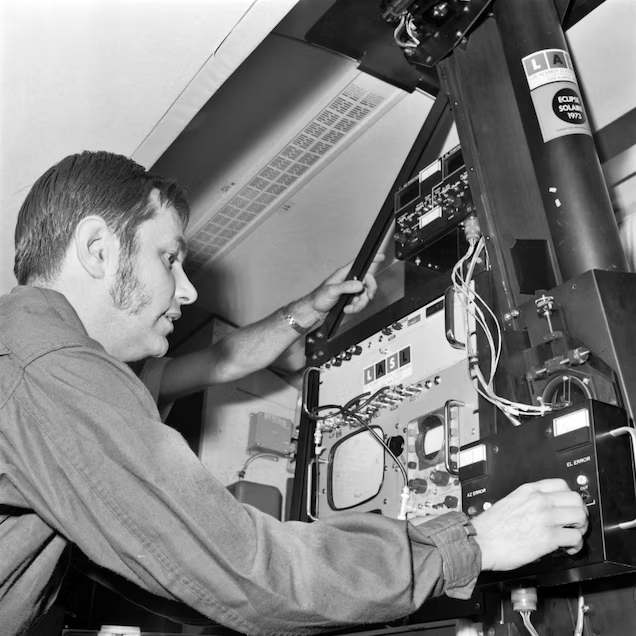
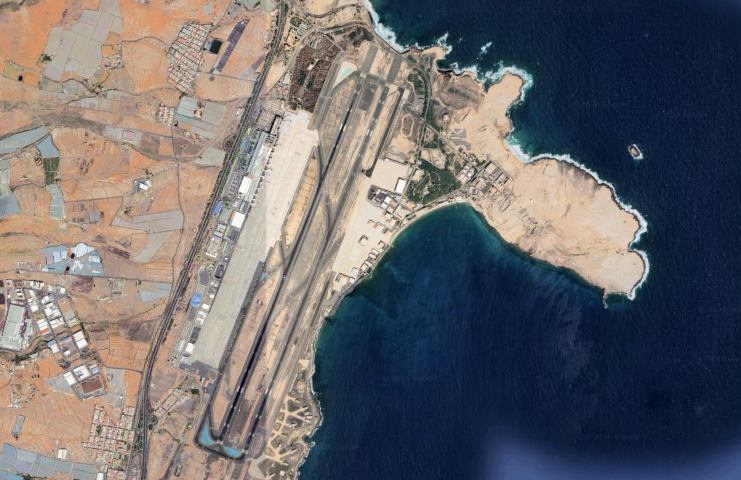
The Concorde would then take off from the Volcanic island of Gran Canaria, in the Canary Islands, at 10:08 GMT on June 30th, 1973, from the Las Palmas airport. It was piloted by André Turcat and Jean Dabo. Also onboard the flight; flight mechanic Michel Rétif, radio navigator Hubert Guyonnet, Henri Perrier, and astronomers; Léna, Beckman, Donald Hall, Donald Liebenberg, Alain Soufflot, Paul Wraight and Serge Koutchmy.
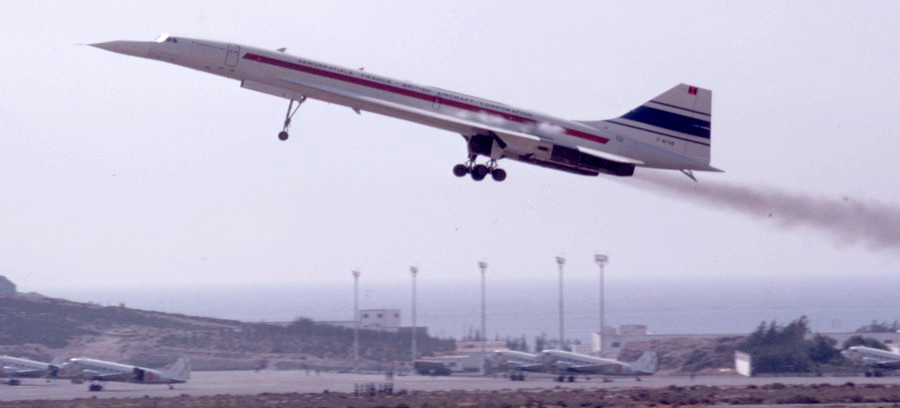
From that point onwards, she was on a race against time, on a flight-path that would take her over the Western Sahara, Mauritania (which is where the initial intercept took place), Mali, Niger and she would then land in Chad, at Fort Lamy. It was truly a to the wire event. Concorde would enter the Moon’s shadow at exactly 10:53:14, at a speed of 1,565 mph and an altitude of 55,700ft. It arrived within one second of the planned schedule.
There was very little room for error. If they’d missed the intercept, they would have never been able to catch up to the eclipse – the Moon waits for no one after all. They also didn’t have access to GPS at the time, as those satellite’s had not yet been launched.
This allowed them to extend visibility of the Eclipse from 7 minutes, to 74 minutes.
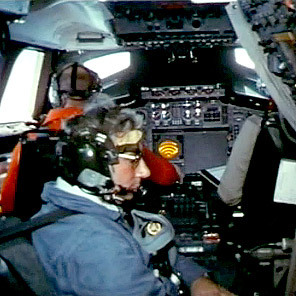
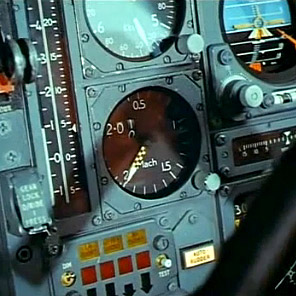
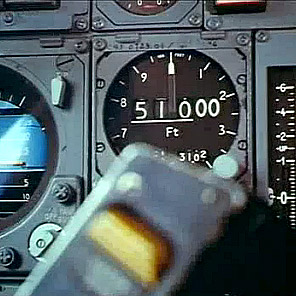
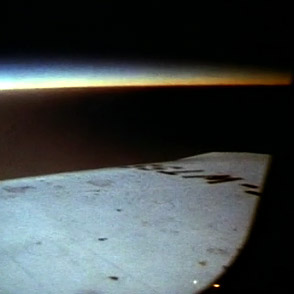
While the event itself was little known at the time, it has become much popular years later. It did unfortunately not provide us with much new science to be gained from, but was an insight into what an amazing plane the Concorde was.
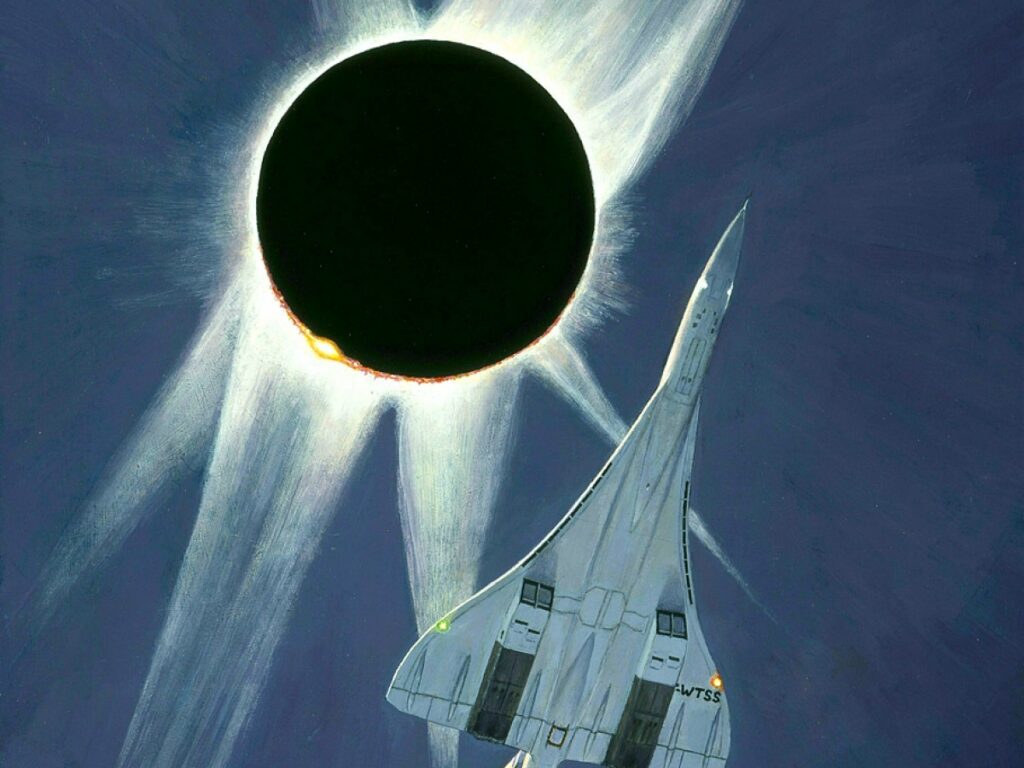
The Upcoming Solar Eclipse.
There is a new solar eclipse coming up on the 12th August 2026, which is the first one over mainland Europe since 1999, crossing the Arctic Ocean, Greenland, Iceland, and Northern Spain. From the UK, we will see up to 92% of the eclipse. Be sure to wear your eclipse glasses!
Leave a Reply